Friday, January 30, 2009

Pesticides and Health


(T0 print this article click here first then print: Pesticides and Health)
image source: http://www.mass.gov/agr/pesticides/


There still some people debate the harmful impact of chemical pesticides on human being health. Not to mention its strong relation to Cancer is in denail!

We know that more than 90% of the sprayed pesticides miss the target pest and end up in the environment thru drift and run off into water courses.
The following research links were picked at random from the Beyond Pesticides Daily News Blog:

Study Finds Controversial Pesticide May Contribute to Obesity

New Study Links Fungicides to Parkinson’s Disease

Study Shows Herbicides Increase Risk of Non-Hodgkin’s Lymphoma

Study Links Women’s Brain Cancer to Herbicide Use

Gender-Bending Herbicide Contaminates Lakes Far from Use Sites

Pyrethroid Pesticide Affects Puberty at Low Levels

Testicular Defects in Newborns Linked to Prenatal Chemical Exposure

Arsenic Exposure Linked to Diabetes

Living Downstream is a good scientific source for the impact of pesticides on the human health. It was reviewed by Peter Montague.

Sunday, January 11, 2009

Free the Iranian Doctors

from the TAC website: http://www.tac.org.za/community/node/2452
6 January, 2009 - 23:16 — moderator
Drs. Kamiar and Arash Alaei, two prominent HIV physicians have been imprisoned in Iran since June 2008. Please join the call to the Iranian government to drop the charges against them by signing the Physicians for Human Rights petition at this link http://actnow-phr.org/campaign/drop_the_charges

Here is a message from Physicians for Human Rights. TAC endorses it:
After being held without charge for 6 months, Arash and Kamiar were subjected to a perfunctory trial last week, and found guilty of communicating with an enemy state, as well as other secret charges the Iranian government refused to reveal. PHR believes these to be politically motivated and illegitimate charges, leveled in a patently unfair court proceeding. We fear for the health, safety and human rights of these well known doctors.

Tuesday, December 30, 2008

The Debate over DDT and Malaria continues

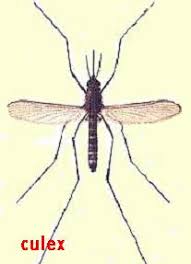
Picture source www.waterwereld.nu/muggelarveeng.html
DDT-dichlorodiphenyltrichloroethane

The debate over using DDT to control Malaria has continued since the insecticide was banned in the USA in Dec. 1972. However, the 2006 controversial decision of WHO to actively support the use of DDT in Malaria control stirred a heated debate. Since the popular book Silent Spring of the environmentalist Rachel Carson in 1962, the DDT got a reputation as one of the most infamous chemicals.
Environmental groups and activists expressed strong reservation and concern over the WHO's change of policy that "DDT has been found to cause cancer, endocrine disruption, adverse effect on the immune system and is very problematic from the standpoint that it is persistent" as reported by the executive director of Beyond Pesticides.
In Sudan, Professor Abadi's research study in the 1970s found that traces of DDT present in human milk exceeded five times the Maximum Allowable Concentrates (MAC). In another study, Elgadi found in 1993 that several soil samples taken from a site close by the Blue Nile banks had contained more than 1000 times the MAC of DDT.
The contamination was attributed to the large quantities of DDT that were dumped after the ban of the chemical in all agricultural activities in Sudan in 1980.
The case for the DDT use is represented by a researcher in this link:
"DDT residual house spraying is an inexpensive, highly effective, practice against malaria, and it has been approved by the World Health Organization. In it, trained sprayers apply a small quantity of DDT on the interior walls and eaves of homes in endemic regions. The quantities involved are minimal (2 g/m2) and, unlike agricultural uses which inject tonns of DDT into the outdoors; indoor house spraying results in little harmful release to the environment. For the amount of DDT used on a cotton field, all the high risk residents of a small country can be protected from Malaria."
The case against DDT is supported by many reserachers beside Rachel Carson. A recent Canadian study from 2007 found a positive association between DDE and non-Hodgkin Lymphoma ( http://en.wikipedia.org/wiki/DDT#Effects_on_human_health)
The debate will continue, and we will continue at this Blog to bring all viewpoints until the world finds a cure to this deadly Malaria disease...